
Research And Prizes
Our research agenda is organized around four main lines of inquiry. Despite their diversity, these projects are united by a focus on fundamental philosophical questions, engagement with empirical research, and a commitment to examining their social and ethical implications.
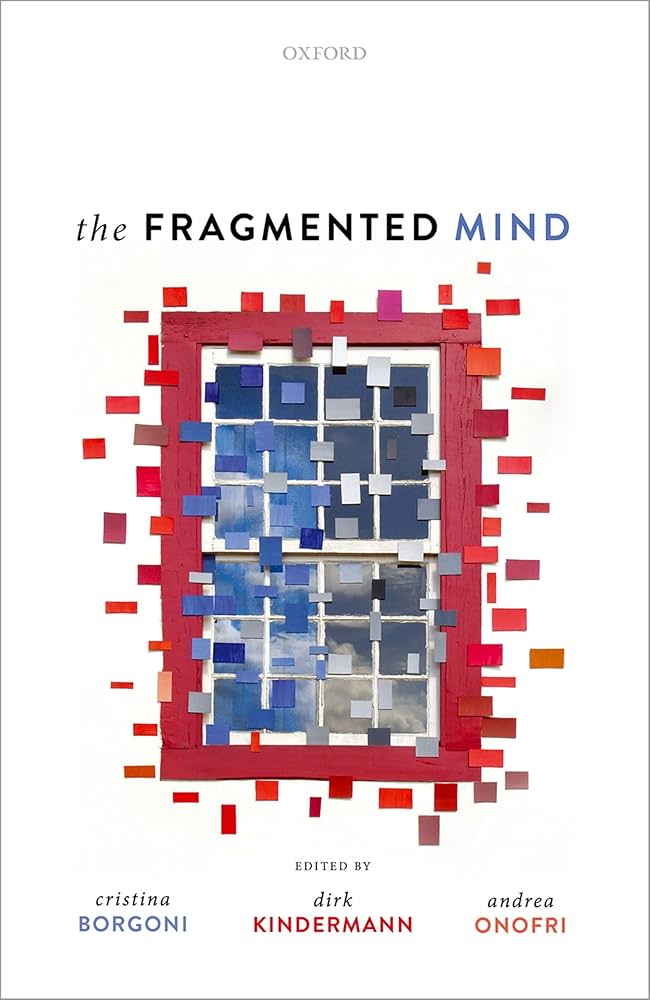
Mental Fragmentation
We investigate how an agent’s beliefs and actions can diverge, focusing on phenomena such as assertion–behavior dissonance, akrasia, and implicit bias. Situated at the intersection of epistemology, philosophy of mind, and psychology, this work challenges traditional accounts of belief and carries implications for rationality, responsibility, and interdisciplinary research in cognitive science.
Self-Knowledge and First Person Authority
This line examines how individuals – including children and others often overlooked –communicate their mental states in ways that warrant deference.
Moving beyond adult- and language-centered models, our work emphasizes the social and developmental foundations of first-person authority, oferring a more inclusive framework for understanding the phenomenon across diverse cognitive profiles.
Communication
Building on our work in first-person authority, we investigate the ontogenetic origins of human communication and the ways understanding emerges through social interaction. This research combines philosophical analysis with empirical insights from psychology and extends to applications ranging from early human development to hybrid human–AI interaction. Another strand of our work addresses linguistic communication by developing new accounts of meaning as negotiation.
Knowledge By Lived Experience
We study the epistemic contributions of first-hand experiences, particularly in healthcare and other socially relevant domains. This work highlights the distinctive authority of knowers-by-lived-experience and addresses pressing questions in the philosophy of medicine, psychiatry, neurodivergence, and debates about the limits of artificial intelligence.
Prizes
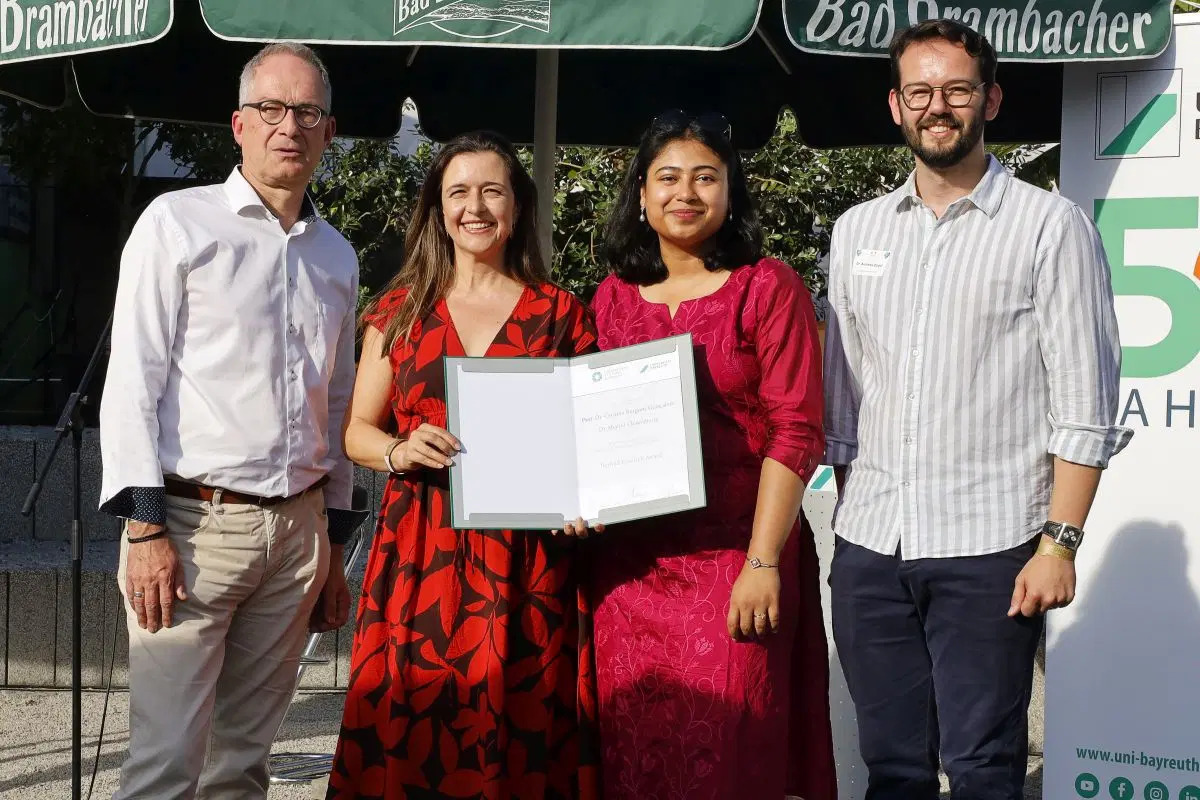
In addition to these four primary strands, we are currently co-leading, with our colleague from computer science Dr. Shalini Chakraborty, the pilot project Thinking Outside the Box: LLM and Its Impact on Diverse Education, which examines how large language models affect learning among neurotypical and neurodivergent students. This interdisciplinary work bridges philosophy, educational research, and AI studies, providing evidence-based insights for inclusive higher education. Our study proposal was awarded the “Beyond Research Award – Thinking Outside the Box” by the University of Bayreuth Foundation.